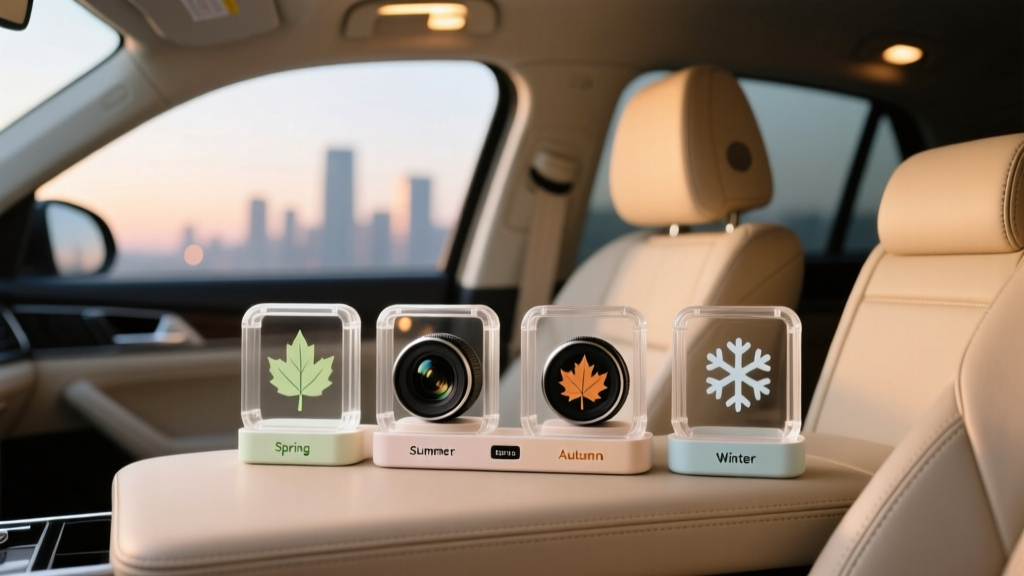
Camera Lens Holder Protection: Car Interior Guide (2026)
Your phone?s camera is one of the most-used ?tools? in your car?whether you?re snapping a scenic road trip, documenting a fender bender, scanning a QR code at a parking garage, or recording interior upgrades for your build log. But there?s a small accessory that quietly takes a beating year-round: the camera lens holder you keep in the cabin?those clip-on lens kits, magnetic lens mounts, mini tripods with lens cradles, and dash-mounted holders that keep your phone or add-on lenses ready to go.
Inside a vehicle, conditions swing harder than most people realize. Summer heat can warp plastics and soften adhesives. Winter cold makes polymers brittle and causes metal-to-metal condensation. Spring pollen finds its way into every crevice, and autumn dust mixes with humidity to create a fine abrasive paste. If your lens holder gets gritty, loose, or cloudy, you?ll see it in your footage: micro-scratches, lens haze, misalignment, and shaky mounts.
This guide breaks down how to protect camera lens holders season by season, with practical cleaning routines, storage strategies, and product recommendations that fit real car life. The goal: cleaner images, fewer broken clips, and gear that lasts longer?without turning your glove box into a camera lab.
What Counts as a ?Camera Lens Holder? in a Car?
Car owners use the term loosely. For this guide, a camera lens holder includes any accessory that stores, protects, or positions your phone camera or add-on lenses inside the vehicle:
- Clip-on smartphone lens kits (wide-angle, macro, CPL filters) with a protective case or cradle
- Magnetic lens mounts and metal ring adapters
- Dash or vent phone mounts that place the camera in a fixed position for filming
- Small tripods, suction mounts, and gimbals that use a holder/clamp to secure the phone
- Protective lens cases or pouches stored in the center console, door pocket, or glove box
Why Seasonal Protection Matters More in Cars Than at Home
- Temperature extremes: A parked car can exceed 130�F (54�C) in summer; winter cabins can drop below freezing.
- UV exposure: Sunlight through glass accelerates plastic yellowing and adhesive breakdown.
- Vibration and impact: Daily driving loosens screws, clips, and adhesive pads over time.
- Interior contaminants: Dust, pollen, sand, and drink spills are common?especially around cup holders and consoles.
Know Your Materials: What Fails First
Most holder issues are material-related. If you know what your accessory is made of, you?ll prevent the most common failures.
Common materials and seasonal weaknesses
- ABS/plastic clips: Can warp in heat; can crack in cold if flexed aggressively.
- Silicone/rubber pads: Great for grip, but can get sticky in heat and attract dust; can harden in cold.
- Adhesive pads (3M-style): Fail when repeatedly heat-cycled; lose bond on textured dashboards.
- Aluminum/alloy parts: Durable, but can develop condensation and oxidation if stored damp.
- Glass lens elements: Scratch-resistant, but not scratch-proof?dust and sand are the real enemies.
Season-by-Season Protection Strategy
Summer (Heat + UV): Stop Warping, Adhesive Failure, and Haze
Summer is the hardest season on lens holders. Heat softens adhesives and makes cheap plastics deform. If your mount sags or your clip no longer aligns the lens with the camera, heat is usually the culprit.
- Store smart: Keep lens holders in a shaded compartment (glove box or center console) rather than the dash tray.
- Use a reflective windshield shade: Lower cabin temps reduce adhesive creep and lens haze.
- Avoid leaving clip-on lenses attached: Heat can soften the clip?s tension and permanently weaken it.
- Choose heat-tolerant mounts: Suction cups and mechanical clamps generally handle summer better than bargain adhesive pads.
Real-world example: If you park in direct sun at work and your dash mount slowly ?droops? by August, that?s adhesive creep. Switching to a windshield suction mount or a vent mount with a mechanical clamp usually fixes it immediately.
Winter (Cold + Condensation): Prevent Cracks and Fogging
Cold makes plastics stiff and brittle. The bigger problem is what happens when you bring cold gear into a warm cabin: condensation forms, and moisture gets trapped in foam pads, screw threads, and lens cases.
- Warm before flexing: If your clip-on holder is cold-soaked, warm it in your pocket for a minute before clamping.
- Control condensation: Store lenses and holders in a small zip pouch with a silica gel packet.
- Dry before storage: If you filmed outside, let the lens holder air-dry for 10?15 minutes before sealing it in a case.
- Don?t blast defrost directly onto gear: Hot air on cold glass can fog it and leave mineral residue.
Spring (Pollen + Moisture): Keep Grit Out of Moving Parts
Spring pollen is ultra-fine and sticky. It sneaks into hinge points and threaded rings and mixes with humidity to form a film that?s hard to wipe clean.
- Wipe mounts weekly: A quick wipe prevents buildup that becomes abrasive later.
- Keep microfiber dedicated: Don?t use the same cloth you use for the dashboard?interior dressings can smear on lenses.
- Rinse first if gritty: If sand/pollen is visible, use a blower or gentle rinse (for compatible parts) before wiping.
Fall (Dust + Temperature Swings): Tighten, Inspect, and Refresh
Fall is the perfect time for a ?reset.? Dust increases, and temperature swings loosen hardware.
- Check fasteners: Tighten small screws on clamps and tripod heads (don?t over-torque).
- Replace worn pads: Silicone pads that have gone glossy or hardened won?t grip well.
- Clean storage areas: Vacuum the center console and door pockets?where lens kits often live?so dust doesn?t migrate into the case.
Step-by-Step: Clean and Protect a Lens Holder the Right Way
This routine works for most clip-on lens holders, magnetic mounts, and small clamps. Adjust as needed for your specific gear.
What you?ll need
- Soft detailing brush or clean makeup brush
- Microfiber cloth (dedicated to lenses)
- Lens blower (hand bulb) or canned air used carefully
- 70% isopropyl alcohol (for mounts and non-lens surfaces)
- Lens cleaning solution (safe for coated optics)
- Cotton swabs
- Silica gel packet(s)
Step-by-step process
- Remove the holder from the car and take it to a clean, well-lit area.
- Dry dust first: Use the blower and a soft brush to remove grit from crevices, hinges, and threads.
- Wipe contact points: Use a microfiber lightly dampened with 70% isopropyl alcohol on:
- rubber pads on clamps
- magnetic mount faces (avoid soaking)
- plastic surfaces that touch your phone case
- Clean lens elements separately: If your holder includes add-on lenses, use lens solution and a clean microfiber. Use gentle circular strokes from center outward.
- Detail the corners: Use a cotton swab to clean inside the clip?s corners where dust compacts.
- Inspect for wear: Look for cracking, warped arms, loose screws, or flattened pads.
- Dry fully for a few minutes before storing.
- Store in a pouch with a silica packet, ideally in the glove box or console (not the dash).
Mounting and Storage Tips for Daily Drivers
Most problems come from where and how accessories are stored in the cabin.
Best storage locations (ranked)
- Glove box: Cooler, shaded, less UV exposure
- Center console: Convenient, but keep it clean and dry
- Seatback organizer pocket: Good if it seals and doesn?t collect crumbs
- Door pocket: Worst for dust and moisture; avoid if possible
- On the dash: Worst for heat/UV?only for short trips
Quick ?before you drive? check
- Is the lens holder free of grit where it clamps?
- Are screws snug and joints not wobbling?
- Is the mount positioned so airbags won?t be obstructed?
- Is the lens glass clean and streak-free?
Product Recommendations and Comparisons (What?s Worth Buying)
You don?t need expensive gear, but certain features make lens holders survive seasonal abuse far better.
What to look for in a car-friendly lens holder or mount
- Mechanical clamp over cheap adhesive (especially for summer heat)
- Replaceable rubber/silicone pads for long-term grip
- Metal reinforcement at hinge points (where plastic often cracks)
- Protective case with a rigid shell for clip-on lens kits
- Simple design with fewer moving parts to trap pollen and dust
Dash/console mounting: adhesive vs suction vs vent clamp
- Adhesive mounts: Clean look, but most likely to fail in high heat or on textured dashboards. Best for mild climates or when installed on a smooth, prepped surface.
- Suction mounts: Strong and heat-resilient when applied to clean glass. Great for seasonal swings; remove and re-seat if dust builds up.
- Vent mounts: Convenient and cooler than dash surfaces. Choose models with solid clamps; avoid overloading delicate vents on older cars.
Storage upgrade: small hard case + silica
If you only buy one thing for seasonal protection, make it a compact hard case sized for your lens kit and holder. Add two silica gel packets and swap them every couple of months (or dry/recharge if reusable). This single change prevents most fogging, corrosion, and grit damage.
Common Mistakes to Avoid
- Wiping a dusty lens with a dry cloth: That?s how micro-scratches happen. Blow/brush first.
- Leaving accessories on the dashboard: UV and heat warp clips and soften adhesives quickly.
- Using harsh cleaners: Ammonia-based glass cleaner can damage coatings and leave residue.
- Over-tightening small screws: Stripped threads and cracked plastic housings are common.
- Storing wet gear in a sealed pouch: Traps moisture and causes fogging and oxidation.
- Ignoring alignment: A slightly misaligned clip-on lens causes vignetting and soft corners?fix the fit, not the camera settings.
FAQ: Seasonal Camera Lens Holder Protection
How often should I clean my lens holder if it stays in the car?
For most daily drivers, a light weekly wipe (brush + microfiber) and a deeper monthly clean works well. If you drive with windows down, hit dusty roads, or have kids/pets, clean it more often.
Can heat permanently damage a clip-on lens holder?
Yes. Repeated hot-soak cycles can weaken spring tension, warp plastic arms, and soften adhesive-backed pads. If your clip no longer grips evenly or the lens sits off-center, it may be heat-deformed.
Is it safe to use isopropyl alcohol on mounts and lens holders?
Alcohol is generally safe for mount surfaces and rubber pads when used lightly on a cloth. Avoid using alcohol directly on coated lens glass unless the lens manufacturer says it?s okay?use a dedicated lens cleaner for optics.
Why does my lens fog when I start driving in winter?
Condensation forms when cold gear meets warm, humid cabin air. Store lenses in a pouch with silica gel, let them acclimate for a minute, and avoid placing them directly in front of hot vents.
What?s the best place to store a lens kit in the cabin?
The glove box is usually the best mix of shade, stable temperature, and lower dust exposure. A hard case inside the glove box is even better.
Do I need a UV filter or lens cap for a phone lens kit?
A cap or rigid case is more useful than a UV filter for protection in a car environment. Most damage comes from grit and contact with other items in the console, not UV exposure on the glass itself.
Conclusion: A Simple Seasonal Routine That Keeps Your Gear Ready
If you want your in-car photos and videos to stay sharp, treat your camera lens holder like any other interior accessory that lives in a harsh environment. Summer calls for heat-smart storage and better mounting choices. Winter demands condensation control and gentle handling. Spring is about staying ahead of pollen grit, and fall is your time to inspect, tighten, and refresh pads and cases.
Next steps:
- Move your lens holder to a shaded compartment today (glove box or console).
- Add a small hard case and a couple silica gel packets.
- Do the 10-minute clean-and-inspect routine this weekend.
- If your mount relies on weak adhesive, consider switching to suction or a mechanical clamp before peak summer.
For more practical interior care and smart accessory guides, explore the latest tips and how-tos on carinteriormix.com.